
Generic Identification
Stops at naming. Often misses stress patterns behind leaf damage, watering imbalance, and cultivar-specific risk.
Clinical-Grade Plant Intelligence
Most plant apps guess. Aroida diagnoses.
Built for rare cultivar collectors and serious home growers who expect evidence-based care.

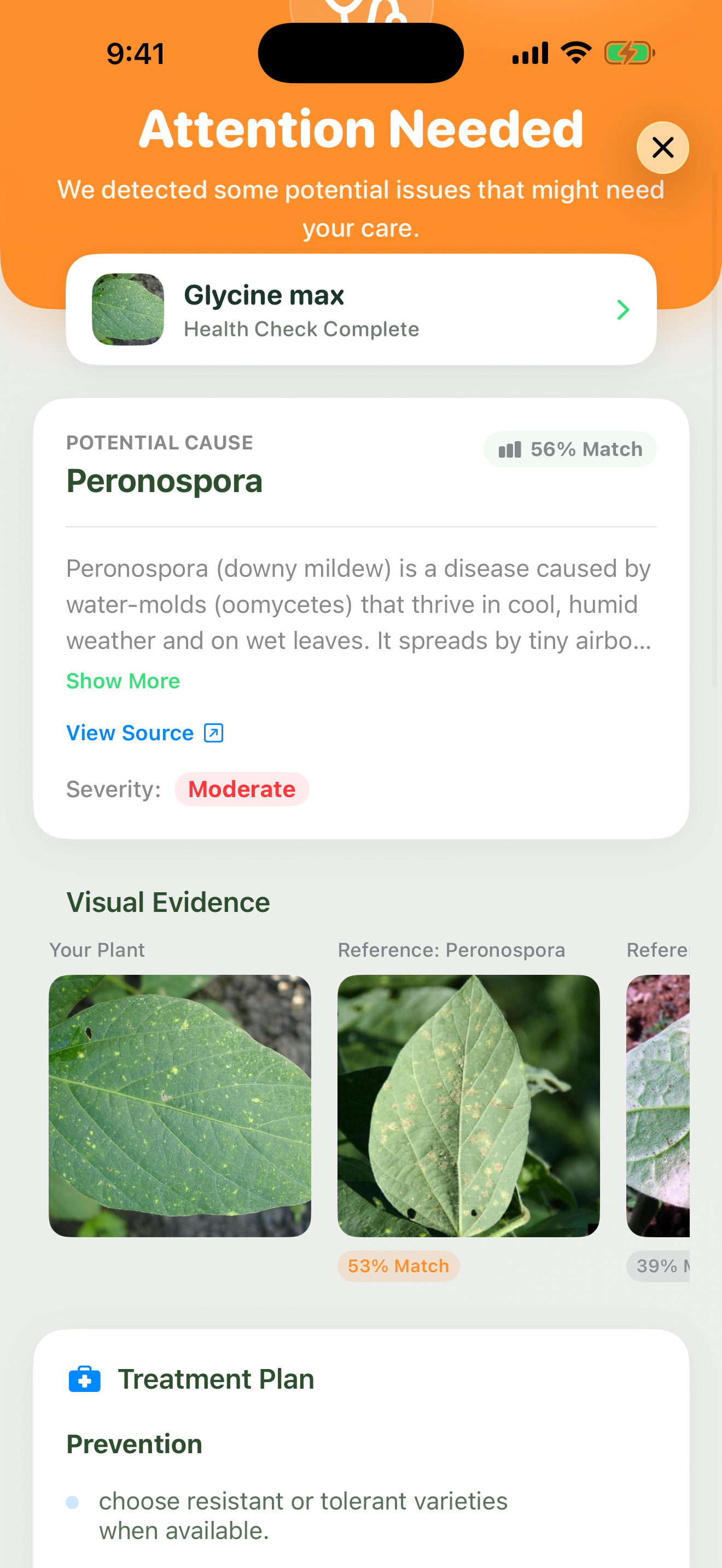
Hydration stress with secondary foliage damage pattern detected.
The Paradigm Shift
Generic Identification
Stops at naming. Often misses stress patterns behind leaf damage, watering imbalance, and cultivar-specific risk.
Clinical-Grade Care
Analyzes symptoms in context and returns practical protocols: what to do now, what to monitor next, and why.
Authority Pillars
01
Aroida Certified
28 May 2026
Critical
Spider Mite Infestation
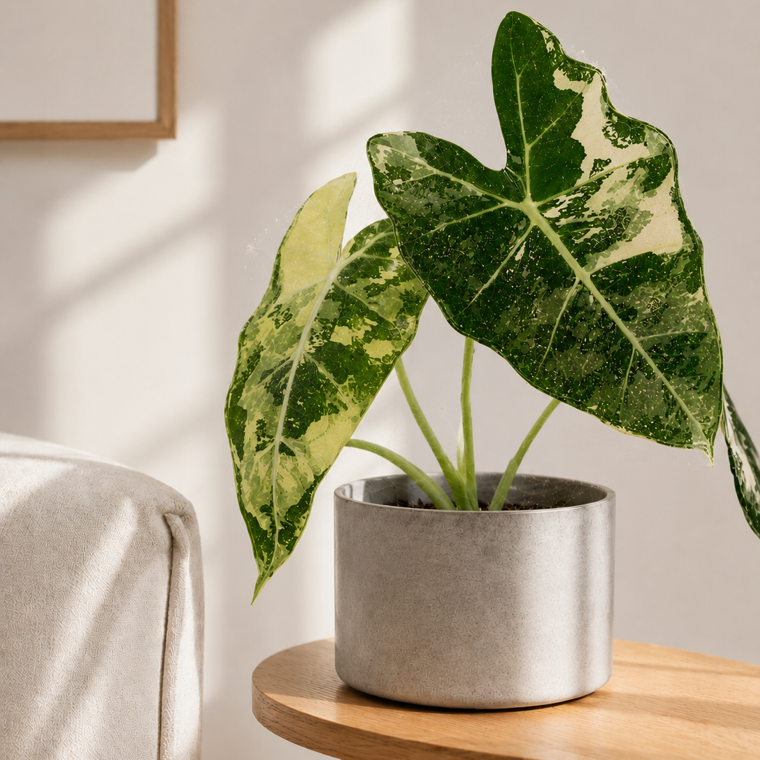
Alocasia micholitziana 'Frydek Variegata'
The Verdict
Your variegated Alocasia is currently hosting a significant spider mite colony, which is common when air is dry. The fine webbing and tiny moving specks are classic signatures of active mites as they drain sap from the leaves. Because this plant is still small and manageable, immediate intervention can stop spread and preserve remaining foliage.
Core Metrics
Hydration
Stable
Light
Intense
Pests
Active Mites
Foliage
Stippled
02
01
Immediate
Physical Blast
Take your plant to the sink and use a gentle, lukewarm spray to physically wash away webbing and as many mites as possible from both the tops and bottoms of the leaves.
02
Today
Oil Treatment
Once the leaves are dry, thoroughly coat the plant with Neem oil or a horticultural soap. Pay special attention to leaf undersides and where leaf meets stem, as mites hide in these crevices.
03
Every 5 Days
Repeat Treatment
Spider mite eggs hatch quickly. Repeat the spray treatment every 5 to 7 days for at least three cycles to break the life cycle of newly hatched mites.
04
Ongoing
Humidity Boost
Move the plant away from dry air sources like heaters. Use a pebble tray or small humidifier nearby, as mites struggle to reproduce in humid environments.
Warning
Clinical warning: soaps and Neem oil can be toxic to pets if ingested; keep the plant out of reach while treatment is wet.
03
The immediate stinging sensation from calcium oxalate crystals usually stops pets after the first bite.
Real-world risk
Moderate
Clinical severity
Cat·Moderate
Dog·Moderate
Lethality
Low
Self-deterring
Yes
01
Place the plant on a heavy, elevated stand out of reach of pets.
02
Use bitter deterrent sprays on the lower trunk if pets are curious.
03
Provide pet-safe grasses to distract from Alocasia foliage.
Advanced Identify Preview
Aroida is developing an advanced Identify tier for high-confidence rarity detection and value-risk awareness in real-world plant hunts.
Spot uncommon variants with confidence signals before they are mispriced or overlooked.
Track variegation stability and reversion-risk indicators to protect plant value over time.
Preview roadmap for direction only. Final outputs may evolve during validation.
Download Aroida and turn uncertainty into clinical-grade care decisions.